MIAMI, FL, May 19th, 2026
Miami is growing at a pace that is hard to ignore and the skyline over the past several years reflects it. New towers are rising across Brickell, Downtown, Edgewater, Wynwood, Coconut Grove, and Miami Beach. Cranes have become part of the skyline, and the city continues to attract new residents, investors, businesses, and luxury buyers from across the country and around the world.
The demand for the Miami lifestyle is also pushing this rapid growth. With recognized names like Tom Brady and Jeff Bezos having homes in Miami, people are starting to see the city as a playground for the ultra rich.
According to the U.S. Census Bureau, the city of Miami’s population grew from about 442,000 in 2020 to nearly 490,000 in 2025, an increase of 10.8%. Miami-Dade County also grew during that period, reaching more than 2.8 million residents in 2025. That population growth is one of the biggest reasons developers continue to build. More people need places to live, and Miami’s appeal as a business, lifestyle, and investment destination remains strong.
But the effect of all this construction on property prices will not be simple. More supply can help slow price growth, especially in the rental market. At the same time, Miami’s most desirable locations are still limited by land, waterfront access, zoning, insurance costs, and global demand. That means new construction may soften some parts of the market while pushing other parts even higher.
The apartment market is the clearest example. Miami has become one of the busiest multifamily construction markets in the country. MIAMI REALTORS reported that the Miami market area had more than 32,000 multifamily units under construction in early 2025, adding nearly 24% to existing inventory. By late 2025, Southeast Florida had about 36,000 rental units under construction, with roughly half located in the Miami market area.
That kind of supply matters. When thousands of new apartments enter the market, landlords have more competition. Renters have more options, especially in newer buildings offering move-in specials, amenities, and flexible lease terms. This can slow rent increases and, in some neighborhoods, create downward pressure on rents. MIAMI REALTORS noted that rent growth in larger apartment buildings was modest in late 2025, partly because new completions were outpacing demand.
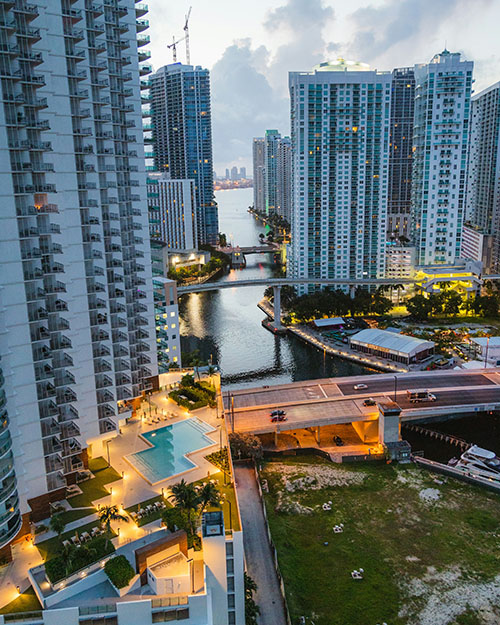
However, this does not mean Miami will suddenly become affordable. Many of the new apartments are luxury or upper-tier rentals. They may help reduce pressure at the top of the rental market, but they do not always solve the shortage of workforce housing. In fact, MIAMI REALTORS reported that workforce rental housing rents were rising faster than higher-tier units, showing that lower- and middle-income renters still face the most pressure.
The condo market is more complicated. New luxury condo towers can raise the average price of property in Miami because they often sell at premium prices. Branded residences, waterfront towers, and boutique developments attract buyers who are less sensitive to mortgage rates and more focused on lifestyle, location, privacy, and long-term investment value. Recent condo projects in South Florida continue to show strong interest at the high end, including new and completed developments in Wynwood, Coconut Grove, Miami Beach, and Bal Harbour.
At the same time, more condo inventory can give buyers more choices. This is especially true in older buildings or mid-range condo segments where rising HOA fees, insurance costs, reserve requirements, and building maintenance concerns are already affecting buyer confidence. In April 2026, MIAMI REALTORS reported that existing condo inventory still represented 12.9 months of supply, which indicates a buyer’s market, even though median condo prices were up slightly year over year.
Single-family homes may be affected differently. Miami can build upward, but it cannot easily create more land for detached homes in established neighborhoods. That limited supply helps protect single-family property values, especially in desirable areas near good schools, parks, waterfront access, and employment centers. In April 2026, Miami-Dade single-family homes had 5.4 months of supply, which still points to a seller’s market.
So what does Miami’s construction boom mean for property prices?
For renters, new apartments may help slow future rent increases, particularly in neighborhoods with a large number of new units. For condo buyers, more inventory could create negotiating opportunities, especially outside the ultra-luxury market. For owners of well-located single-family homes, limited land and continued population growth may keep prices relatively strong.
The biggest shift is that Miami is becoming a more segmented market. Not every property will rise just because Miami is growing. New luxury towers may command record prices, while older condos may face pressure. New rental buildings may compete for tenants, while workforce housing remains tight. Single-family homes in prime neighborhoods may stay resilient, while oversupplied apartment-heavy areas could see slower appreciation.
Miami’s growth is real. But the next phase of the market will reward location, quality, building financial strength, and long-term livability more than hype alone. Just make sure you choose the right location and time will take care of the rest.